Have you noticed flickering lights, a breaker that keeps tripping, or an outlet that feels unusually warm? These signs may seem minor, but they can indicate a problem within your home's electrical system. An electrical contractor in Central Valley can identify the underlying cause and determine whether professional repair or replacement is needed.
Electrical systems include interconnected wiring, circuits, outlets, breakers, panels, and other components. A problem with one part can sometimes affect other areas of the home. The U.S. Consumer Product Safety Commission recommends paying attention to warning signs such as damaged electrical components, unusual heat, sparks, and other potential hazards.
Understanding common warning signs can help homeowners know when an electrical issue needs professional attention.
1. Flickering or Dimming Lights
Flickering lights are not always caused by a faulty bulb. Recurring flickering may indicate a loose connection, circuit issue, wiring problem, or changing electrical load.
If multiple lights flicker or dim when appliances operate, the problem may require professional troubleshooting.
Watch for: Persistent flickering, unexplained dimming, or changes affecting multiple fixtures.
2. Frequently Tripping Circuit Breakers
Circuit breakers are designed to shut off power when a circuit becomes overloaded or develops a fault. An occasional trip may happen when too many devices operate simultaneously, but repeated trips should not be ignored.
The cause could involve an overloaded circuit, faulty appliance, damaged wiring, or a malfunctioning breaker. Continually resetting the breaker without identifying the problem is not a permanent solution.
Watch for: Breakers that repeatedly trip or will not remain reset.
3. Warm or Hot Electrical Outlets
Outlets and switches should not become unusually hot during normal use. Heat may indicate an overloaded circuit, loose connection, damaged wiring, or another electrical fault.
If an outlet feels hot, stop using it and arrange a professional inspection. Do not remove the cover or attempt to investigate the wiring yourself.
Watch for: Hot outlets, warm switches, discoloration, or melted plastic.
4. Burning Smells or Melted Plastic
A burning smell coming from an outlet, switch, appliance, wall, or electrical panel should receive immediate attention.
Overheated wiring or components can produce a noticeable odor and may leave behind scorch marks or melted plastic. The source may not always be visible, particularly when the problem occurs inside a wall or electrical box.
If you notice smoke or an active electrical fire, leave the area and contact emergency services rather than attempting a repair.
Watch for: Burning odors, smoke, melted plastic, or blackened electrical components.
5. Sparking Outlets or Switches
Unexpected or repeated sparks from an outlet or switch can indicate a damaged component, loose connection, or wiring problem.
While a small spark can occasionally occur when plugging in some devices, repeated or significant sparking should not be considered normal. Stop using the affected outlet until it can be inspected.
Watch for: Repeated sparks, popping sounds, scorch marks, or an outlet that stops working after sparking.
6. Dead or Non-Working Outlets
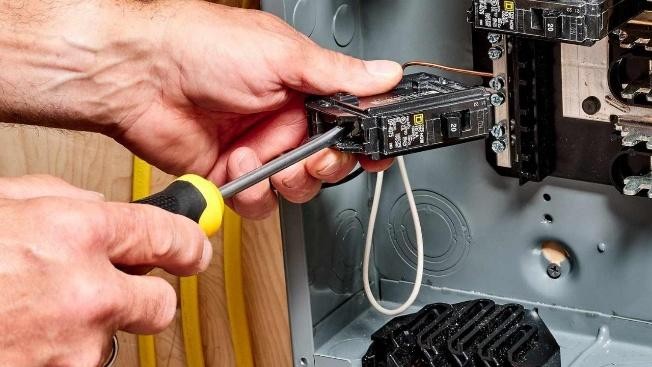
A non-working outlet may have a simple cause, such as a tripped breaker or GFCI outlet. However, recurring outlet failures can also indicate loose connections, damaged wiring, or another circuit problem. Homeowners can check whether a nearby GFCI has tripped or whether the circuit breaker is off. If the outlet remains dead or multiple outlets are affected, professional troubleshooting may be necessary.
Watch for: Multiple dead outlets, recurring failures, heat, discoloration, or unusual sounds.
7. Damaged or Exposed Wiring
Electrical wiring can become damaged because of age, renovations, physical impact, pests, or improper installation. Frayed insulation, exposed wires, cracked coverings, and visible burn marks should never be ignored. Damaged wiring can create shock and fire hazards.
Watch for: Exposed conductors, frayed insulation, cracked wiring, or scorch marks.
8. An Outdated or Overloaded Electrical Panel
Modern homes often use more electrical equipment than older systems were originally designed to handle. New appliances, HVAC systems, EV chargers, and remodeling projects can increase electrical demand. An outdated or overloaded panel may contribute to frequent breaker trips or limit the home's ability to accommodate additional circuits.
9. Buzzing, Humming, or Sizzling Sounds
Electrical systems should generally operate quietly. Buzzing, humming, sizzling, crackling, or popping sounds from an outlet, switch, light fixture, or panel can indicate an electrical problem. The cause could involve a loose connection, faulty component, or other issue that requires professional diagnosis.
Avoid opening an electrical panel or outlet to investigate the noise yourself.
Watch for: Persistent buzzing, sizzling, crackling, or popping.
10. Extension Cords Used as Permanent Wiring
Extension cords are useful for temporary situations, but they should not replace permanent household wiring.
Using extension cords continuously, overloading them, connecting multiple cords, or using damaged cords can create unnecessary risks. If a room regularly requires extension cords because there are not enough outlets, professionally installed receptacles may be a better long-term option.
Watch for: Permanent extension-cord use, overloaded cords, damaged insulation, or cords running through areas where they can be damaged.
Common Electrical Problems at a Glance
| Electrical Problem | Warning Signs | Recommended Response |
|---|---|---|
| Flickering lights | Dimming or inconsistent lighting | Arrange professional troubleshooting |
| Tripping breakers | Breaker repeatedly shuts off | Identify the underlying cause |
| Hot outlets | Heat or discoloration | Stop using and arrange an inspection |
| Burning smells | Odor, smoke, or melting | Seek professional assistance |
| Sparking outlets | Sparks or scorch marks | Stop using the outlet |
| Dead outlets | Loss of power | Check GFCI/breaker, then seek help |
| Damaged wiring | Frayed or exposed wires | Avoid contact and arrange repair |
What Electrical Services Does a Local Electrician in Central Valley Provide?
A local electrician in Central Valley can help homeowners with a variety of electrical needs, from troubleshooting existing problems to installing new electrical components. Common residential services may include:
- Electrical troubleshooting
- Emergency electrical repairs
- Panel and sub-panel upgrades
- Breaker replacement
- Outlet and switch installation
- GFCI installation
- Lighting installation
- EV charger installation
- Electrical remodeling
- Electrical inspections
The appropriate service depends on the cause of the problem. For example, a repeatedly tripping breaker should be diagnosed before simply replacing the breaker.
How Can Jack Surabian Electric Help?
Once homeowners identify an electrical warning sign, choosing an experienced provider can make the troubleshooting and repair process easier.
Jack Surabian Electric provides residential and commercial electrical services in Fresno and communities throughout the Central Valley. Its services include electrical troubleshooting, emergency electrical work, panel upgrades, breaker replacement, outlets and switches, lighting, EV charger installation, and electrical remodeling.
The company also offers electrical troubleshooting for problems such as flickering lights, dead outlets, and breakers that repeatedly trip. A professional electrician in Central Valley can troubleshoot and help determine the underlying cause instead of addressing only the visible symptom.
Key Takeaways
- Flickering lights, tripping breakers, hot outlets, and burning smells can indicate electrical problems.
- Damaged wiring, overloaded circuits, and outdated panels should be professionally inspected.
- Ignoring electrical warning signs can allow small issues to become more serious.
- Qualified electrical professionals can diagnose problems and recommend the right solution.