Key Takeaways
- Panel upgrades and new circuits require careful load and wiring considerations.
- EV chargers and generators can require dedicated electrical planning.
- Outdoor electrical work needs equipment suitable for environmental exposure.
- Flickering, heat, buzzing, and repeated breaker trips can indicate underlying problems.
- Renovations may require multiple electrical changes to work together safely.
- Permit requirements can vary by California city and county.
- Professional evaluation can help homeowners understand the scope of complex electrical projects.
Electrical work is rarely as simple as changing a fixture or replacing a switch. Behind the walls are circuits, connections, load calculations, grounding systems, and safety requirements that need careful attention. Knowing which projects require professional help from home electrician in Central Valley, which can prevent costly mistakes and keep a home operating safely.
Why Do Some Electrical Projects Need a Professional?
Not every electrical task carries the same level of risk. Replacing a light bulb is straightforward, but altering wiring, adding circuits, or changing service equipment can affect the entire electrical system.
California also has specific licensing and permitting requirements. The Contractors State License Board explains that electrical contractors working within the C-10 classification install, connect, and work with electrical wiring, fixtures, appliances, raceways, and related equipment. Here are 10 residential projects where professional expertise matters.
1. Electrical Panel Upgrades
An older or undersized electrical panel can become a limitation when a home adds appliances, heating and cooling equipment, solar equipment, or an electric vehicle charger.
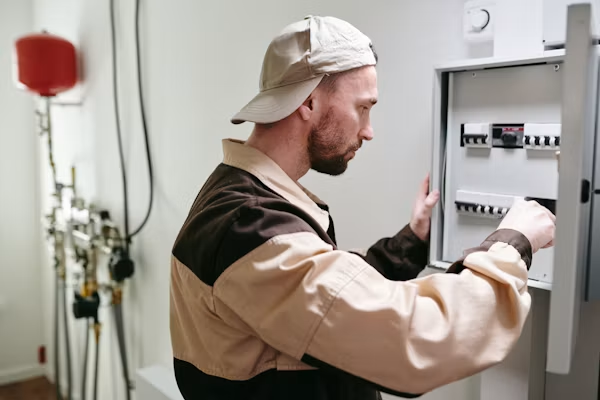
A panel upgrade is more than swapping one box for another. The electrician must evaluate the home's electrical demand, available capacity, wiring, breakers, grounding, and service configuration.
2. Installing New Circuits
Adding a dedicated circuit for an appliance, workshop, home office, or outdoor equipment requires more than running a new cable.
The circuit must be appropriately sized and connected to the electrical panel. Improper installation can create overheating or nuisance-tripping problems. A professional can determine the appropriate circuit requirements and coordinate the work with applicable local requirements.
3. Whole-Home Rewiring
Homes with aging, damaged, or inadequate wiring may need substantial electrical replacement. Whole-home rewiring involves tracing existing circuits, removing or replacing wiring where necessary, installing new connections, and checking how the updated system integrates with the panel and other components. This is a major project where careful planning matters because electrical work can affect multiple rooms at once.
4. EV Charger Installation
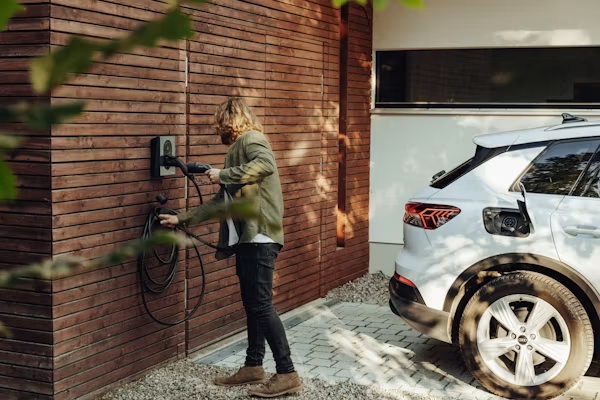
Electric vehicle chargers can place a significant electrical demand on a residential system.
Before any residential electrical installation in Central Valley, the electrical service and panel capacity should be evaluated to determine whether the existing system can support the charger. Depending on the property, the project may involve a dedicated circuit, panel modifications, or service-related work.
| Project | What a professional evaluates |
|---|---|
| Panel upgrade | Capacity, breakers, grounding, service |
| New circuit | Load, wire size, protection |
| EV charger | Charger requirements and available capacity |
| Outdoor wiring | Weather exposure and protection |
| Generator connection | Transfer equipment and system compatibility |
5. Generator Connections
A portable or standby generator should not simply be connected to a home's electrical system with improvised wiring.
A properly installed connection may involve transfer equipment designed to prevent unsafe backfeeding. The setup also needs to match the generator, home's electrical service, and applicable installation requirements.
6. Outdoor Electrical Installations
Outdoor kitchens, lighting, spas, workshops, pools, and entertainment areas can require dedicated electrical connections.
Outdoor wiring faces moisture, temperature changes, physical exposure, and other environmental conditions that indoor wiring does not. The installation therefore needs suitable equipment, protection, and routing for its location.
7. Replacing or Adding Outlets
A new outlet can seem like a small improvement, but its location and circuit matter.
Adding outlets may require extending an existing circuit or creating a new one. Kitchens, bathrooms, garages, and outdoor areas can have additional electrical requirements, so the correct protection and installation method should be determined before work begins.
8. Lighting System Installation
Installing recessed lighting, landscape lighting, chandeliers, or extensive smart-lighting systems can involve more than mounting fixtures.
New lighting may require wiring changes, additional switches, dimmers, junction boxes, or circuit modifications. A professional can also assess whether the existing circuit can accommodate the planned installation.
9. Electrical Troubleshooting and Repairs
Repeated breaker trips, flickering lights, burning odors, buzzing outlets, warm switches, or unexplained power loss should not be treated as ordinary inconveniences.
These symptoms can point to loose connections, overloaded circuits, damaged wiring, faulty devices, or other electrical problems. Professional residential electrical repair in Central Valley can help identify the underlying issue instead of repeatedly addressing only the visible symptom.
10. Major Electrical Installations
Home renovations often introduce electrical requirements that did not exist before. New kitchens, additions, workshops, laundry areas, HVAC equipment, and other upgrades may require new circuits, wiring, outlets, switches, or service adjustments.
Professional planning is especially useful when several electrical changes need to work together. The California Contractors State License Board also notes that permit requirements can vary by city and county, so homeowners should check the applicable local building department before beginning work.
What Residential Electrical Services Are Available in the Central Valley?
Residential electrical services can cover repairs, troubleshooting, wiring, installations, panel work, lighting, outlets, and other electrical improvements. The right service depends on the home's existing system, the scope of the project, and applicable local requirements.
For larger projects, homeowners should also verify contractor licensing and understand what permits may be required. The CSLB provides consumer guidance for checking contractor licenses and hiring appropriately licensed professionals.
How Can Jack Surabian Electric Help?
Jack Surabian Electric provides residential electrical services for homeowners who need professional assistance with electrical projects and improvements. Its residential service offering covers work that can help address household electrical needs, from repairs to installations.
For homeowners planning electrical upgrades, reviewing the project requirements before work begins can make the process clearer and help identify whether professional electrical service is appropriate. Explore the residential electrical services available from Jack Surabian Electric.