Key Takeaways
- Repeated breaker trips, burning smells, sparks and flickering lights can indicate underlying electrical problems.
- Warm outlets, damaged wiring and loose receptacles should be professionally inspected rather than repaired as a DIY project.
- Electrical problem diagnosis in Central Valley focuses on identifying the underlying cause instead of simply treating the visible symptom.
- A qualified electrician can safely test circuits and determine the appropriate repair for faulty wiring.
Introduction
Ever flipped a breaker, noticed a flickering light, or smelled something unusual near an outlet and thought, "I can probably fix this"? That instinct can be risky. Electrical problem diagnosis in Central Valley is not simply about finding the component that stopped working. A fault can originate elsewhere in the circuit, behind a wall, inside a panel, or at a loose connection.
Knowing which problems require a qualified electrician can prevent a small electrical issue from becoming a serious safety concern. Here are seven situations where DIY troubleshooting is best avoided.
Why Is Professional Electrical Problem Diagnosis Important?
Electrical problems are often symptoms rather than isolated failures. A tripping breaker, for example, could involve an overloaded circuit, a short circuit, a faulty appliance, or another wiring issue.
The U.S. Consumer Product Safety Commission advises homeowners to have unsafe wiring conditions checked by qualified professionals and identifies signs such as warm outlets, flickering lights, sparks and burning odors as reasons for concern.
A professional electrician can trace the circuit, identify the underlying fault and determine what repair is appropriate rather than simply replacing the part that appears faulty.
7 Electrical Issues You Should Never Try to Fix Yourself
1. Frequently Tripping Breakers
A breaker that trips occasionally may have a straightforward cause, but repeated trips should not be treated as an inconvenience to work around.
Constantly resetting a breaker without finding the reason it is tripping can leave an underlying electrical problem unresolved. The circuit may be overloaded, shorting, or experiencing another fault that requires testing.
Rule of thumb: If the same breaker keeps tripping after you reset it, stop treating the symptom and have the circuit assessed.
2. Burning Smells or Hot Outlets
A burning-plastic smell around an outlet, switch or electrical panel deserves immediate attention.
Warm or hot receptacle covers can indicate an unsafe wiring condition. The CPSC specifically identifies unusually warm outlets and switches, burning smells and other signs of overheating as warning signals.
Do not remove the outlet cover to investigate. If there is smoke, active sparking or a strong burning smell, move away from the area and seek appropriate emergency assistance.
3. Flickering or Dimming Lights
A light that flickers once may have a simple explanation, such as a failing bulb. Persistent or widespread flickering is different.
If multiple lights flicker, especially when appliances start, the issue may involve a connection, circuit or supply problem that requires proper testing.
This is where electrical fault diagnosis in Central Valley becomes important. Guessing at the cause can lead you to replace bulbs or fixtures without addressing the actual fault.
4. Sparks or Arcing From an Outlet
A visible spark when plugging in a device is not something to repeatedly test.
Sparking can have different causes, and determining whether the issue lies with the receptacle, plug, appliance or wiring requires electrical knowledge and appropriate testing equipment.
Never open the receptacle simply to see what is happening inside. De-energising a circuit also requires knowing that the correct circuit has actually been isolated.
5. Damaged or Exposed Wiring
Frayed insulation, exposed conductors, damaged cables or wiring that has been pinched or physically compromised should not be patched casually with household materials.
Damaged wiring can create shock and fire hazards. The CPSC recommends replacing damaged cords and having unsafe electrical conditions properly addressed rather than continuing to use them.
If damaged wiring is inside a wall, ceiling, attic or electrical box, leave it alone and arrange for professional assessment.
6. Outlets That Feel Loose or Don't Hold Plugs
An outlet that no longer grips a plug properly may seem like a minor hardware problem. It is still worth addressing.
Loose connections can contribute to overheating, and a receptacle that moves noticeably when a plug is inserted or removed may need replacement or further inspection.
This is a good example of why electrical wiring troubleshooting in Central Valley should look beyond the visible face of an outlet. The condition of the wiring and connections behind it also matters.
7. Problems Inside the Electrical Panel
The electrical panel is one area where DIY experimentation is particularly inappropriate.
A homeowner may safely operate a breaker as intended, but opening the panel enclosure or attempting to modify breakers, wiring or connections can expose you to dangerous electrical energy.
If breakers are repeatedly tripping, you notice unusual sounds or smells near the panel, or you see signs of overheating, arrange for professional diagnosis instead of attempting an internal repair.
What Can You Safely Check Yourself?
There is a difference between observing a warning sign and repairing an electrical system.
| Homeowner observation | DIY repair? | Appropriate next step |
|---|---|---|
| Flickering light | No | Identify whether it is isolated or widespread, then call an electrician if persistent |
| Repeated breaker trips | No | Stop repeatedly resetting it and arrange an inspection |
| Warm outlet | No | Stop using it and have it checked |
| Damaged power cord | No repair | Replace the cord or affected equipment |
| Exposed household wiring | No | Keep clear and arrange professional assessment |
| Loose receptacle | No | Have the receptacle and wiring inspected |
| Panel fault | No | Contact a qualified electrician |
The safest homeowner role is to notice, isolate where practical, and report rather than dismantle.
Who Can Diagnose Faulty Electrical Wiring in Central Valley?
A qualified electrician experienced in residential electrical troubleshooting can diagnose faulty wiring in Central Valley homes.
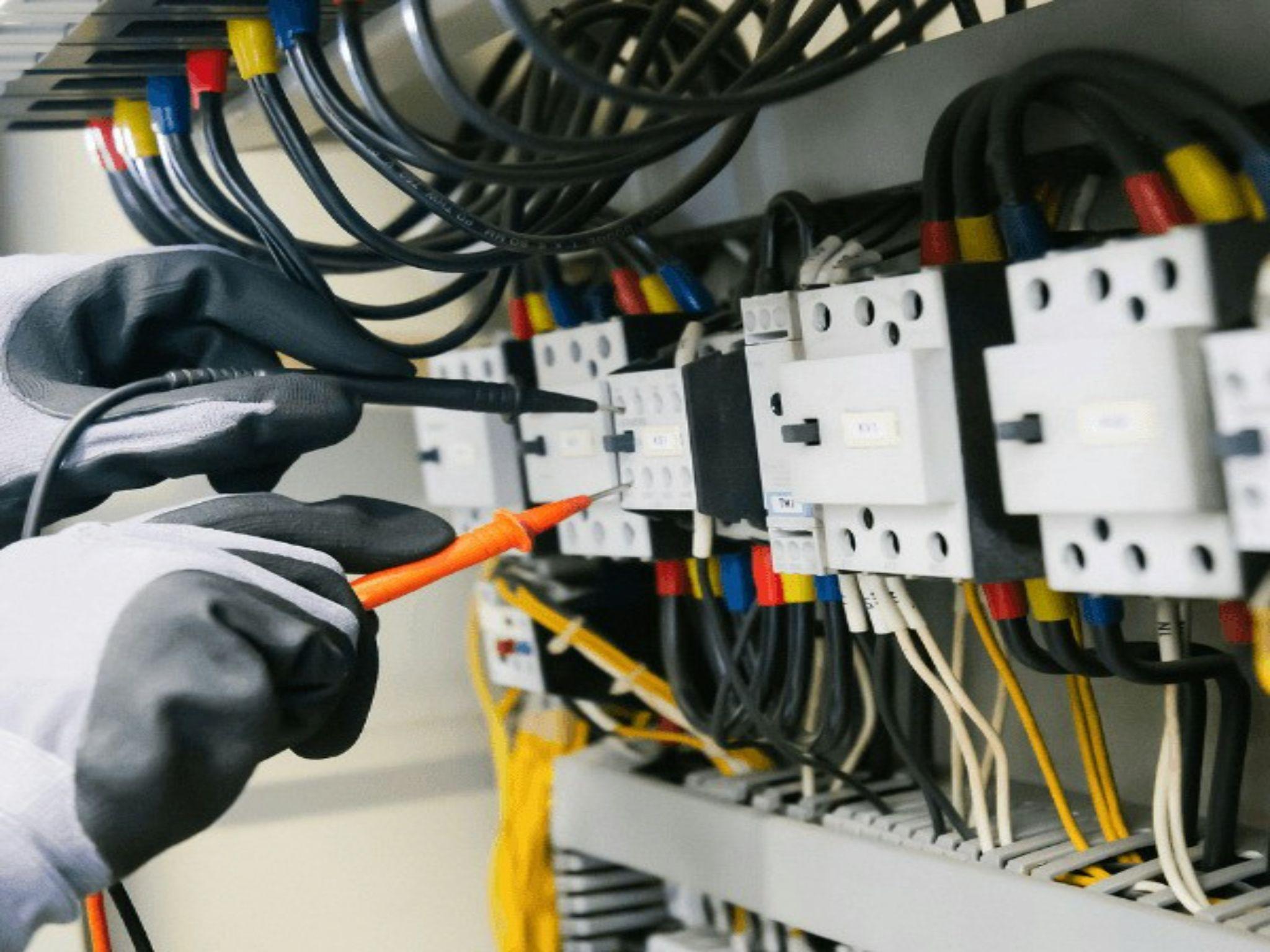
Professional diagnosis typically involves identifying the affected circuit, checking for visible problems, performing appropriate electrical tests and tracing the fault to its source. The repair can then be selected based on the actual cause rather than guesswork.
Jack Surabian Electric provides electrical troubleshooting services for homeowners dealing with faults that are difficult to identify or safely resolve themselves.
If you're interested in understanding other common warning signs, you can also read Electrical Troubleshooting in Central Valley: Common Problems to Watch For for additional guidance.
When Should You Stop Troubleshooting and Call an Electrician?
The answer is simple: when the problem involves wiring, repeated circuit faults, overheating, sparks, exposed conductors or the electrical panel, professional diagnosis is the safer approach.
Don't let a seemingly small electrical problem become a bigger one because the first visible symptom looked easy to fix. Proper electrical problem diagnosis in Central Valley focuses on finding the cause, not just resetting the breaker or replacing the outlet.
When an electrical fault is beyond basic observation, leave the repair to Jack Surabian Electric and let a qualified professional determine what is actually happening.
Need Help With an Electrical Problem?
If you are dealing with faulty wiring, repeated breaker trips, flickering lights or other electrical concerns, contact Jack Surabian Electric for professional troubleshooting and diagnosis.