Introduction
Is your home's electrical panel keeping up with your lifestyle? Many homeowners don't think about their electrical panel until something goes wrong — a breaker trips during a storm, an outlet feels warm to the touch, or the lights flicker every time the microwave turns on. These aren't just annoyances; they can be early warnings that your panel is outdated, overloaded, or unsafe. In this guide, we'll walk through seven clear signs that it might be time for an electrical panel upgrade in Central Valley homeowners can trust, so you know exactly what to look for before a small issue becomes a costly — or dangerous — problem.
1. Frequent Breaker Trips
If your breakers trip regularly, especially when running multiple appliances at once, your panel may no longer have the capacity to handle your home's electrical load. Occasional trips during a storm are normal, but repeated tripping is a sign your system is overworked and struggling to keep up with daily demand.
2. Flickering or Dimming Lights
Do your lights dim when the AC kicks on or flicker when you turn on the dryer? This often points to an aging panel that can't distribute power evenly across circuits. While it might seem minor, it's usually a symptom of a larger capacity issue that's only going to get worse over time.
3. Warm or Discolored Outlets and Switch Plates
Outlets or switch plates that feel warm, look scorched, or have a faint burning smell are serious red flags. This usually means wiring or connections inside the panel are overheating — a fire hazard that shouldn't be ignored. If you notice this, it's worth reaching out to a licensed electrician right away rather than waiting for the problem to escalate.
4. Your Panel Still Uses Fuses
Many older Central Valley homes still rely on fuse boxes instead of modern circuit breaker panels. Fuse boxes were common decades ago but weren't designed for today's power-hungry homes filled with smart devices, EV chargers, and multiple large appliances. If you're still working with fuses, a main electrical panel upgrade in Central Valley electricians recommend can bring your home up to modern safety standards.
5. Buzzing, Crackling, or Humming Sounds
Your electrical panel should be silent. Buzzing, crackling, or humming noises coming from the panel typically indicate loose connections, arcing, or deteriorating components inside. These sounds should never be ignored, as they're often precursors to electrical fires.
6. Your Panel Is Rated Below 100 Amps
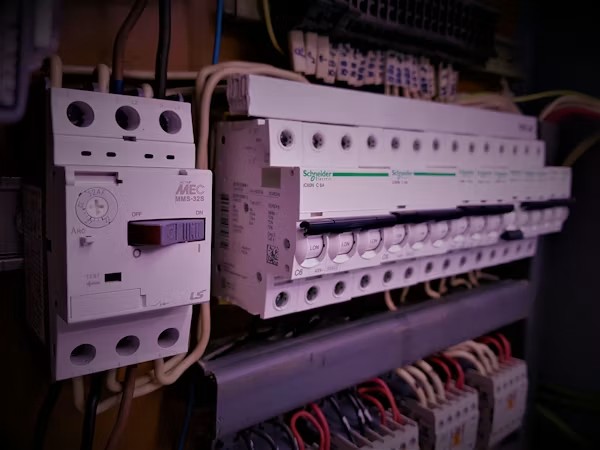
Homes built before the 1980s often came equipped with 60-amp or 100-amp panels, which were sufficient for the appliances of that era. Today's homes, however, run far more electronics, HVAC systems, and high-draw appliances. If you're planning a renovation, adding a home office, or installing an EV charger, you may need a 200 amp panel upgrade in Central Valley homeowners are increasingly choosing to support modern energy demands.
7. Visible Rust, Corrosion, or Damage
Take a look at your panel — literally. Rust, water stains, corrosion, or a cracked panel box are all signs of long-term deterioration that compromise safety. Moisture intrusion is particularly dangerous around live electrical components and should be evaluated by a professional as soon as possible.
When to Call a Professional
If you're noticing two or more of these signs, it's time to have your panel inspected. Who provides 200 amp panel upgrades in Central Valley? Licensed, experienced electricians who understand local code requirements and the specific demands of Central Valley homes are your best bet for a safe, lasting upgrade. A professional assessment can help you avoid guesswork and ensure the upgrade is sized correctly for your home's current and future needs.
For homeowners weighing their options, it helps to understand exactly what's involved in a main panel upgrade before committing to the project — including permitting, inspection, and installation timelines.
Why Upgrading Matters
Beyond safety, an updated panel supports home value and functionality. Buyers and insurance companies alike view outdated electrical systems as liabilities. A modern panel also gives you the flexibility to add circuits for future renovations, EV chargers, solar panels, or a growing list of smart home devices — without worrying about overloading your system.
If you're interested in the broader scope of home electrical work, you might also like exploring our full range of electrical services, which covers everything from panel upgrades to whole-home rewiring.
Final Thoughts
Your electrical panel is the backbone of your home's power system, and ignoring warning signs can lead to costly repairs or serious safety hazards. If any of the seven signs above sound familiar, don't wait for a bigger problem to develop. We covered related maintenance tips in our guide to home electrical safety on our blog — worth a look if you want to stay ahead of future issues.
Key Takeaways
- Frequent breaker trips, flickering lights, and warm outlets are common warning signs of an outdated electrical panel.
- Older homes with fuse boxes or panels under 100 amps often can't support modern appliances and electronics.
- A licensed electrician should inspect your panel if you notice burning smells, buzzing sounds, or visible rust and corrosion.
- Upgrading your panel improves safety, supports home additions, and can make your property easier to insure and sell.