Updated Guide for Fresno & Central Valley Homeowners
Key Takeaways
- A 200-amp service upgrade is about more than swapping a breaker box; the service equipment, conductors, grounding, disconnecting means, and related components must work together.
- A load calculation should determine whether your home actually needs more service capacity, especially before adding an EV charger, heat pump, induction range, solar equipment, or other major electrical loads.
- Older Fresno homes may need additional corrections when an existing panel is opened, including labeling, grounding, bonding, breaker compatibility, or branch-circuit issues.
- A quality upgrade should include a clear written scope, appropriate permitting and inspection, utility coordination where required, and equipment selected for the home's present and planned electrical needs.
- For California homeowners, contractor licensing can be verified through the Contractors State License Board before work begins.
Why a 200-Amp Panel Upgrade Matters in Fresno
The electrical panel is the control center of a home. It receives electricity from the utility service and distributes that power through individual circuits for lighting, appliances, HVAC equipment, outlets, and other loads. If your home needs additional electrical capacity, a properly planned electrical panel upgrade in central valley can provide a safer and more capable foundation for modern electrical demands. A 200-amp service is not automatically required for every house, but it is a common capacity target for modern residential electrical planning.
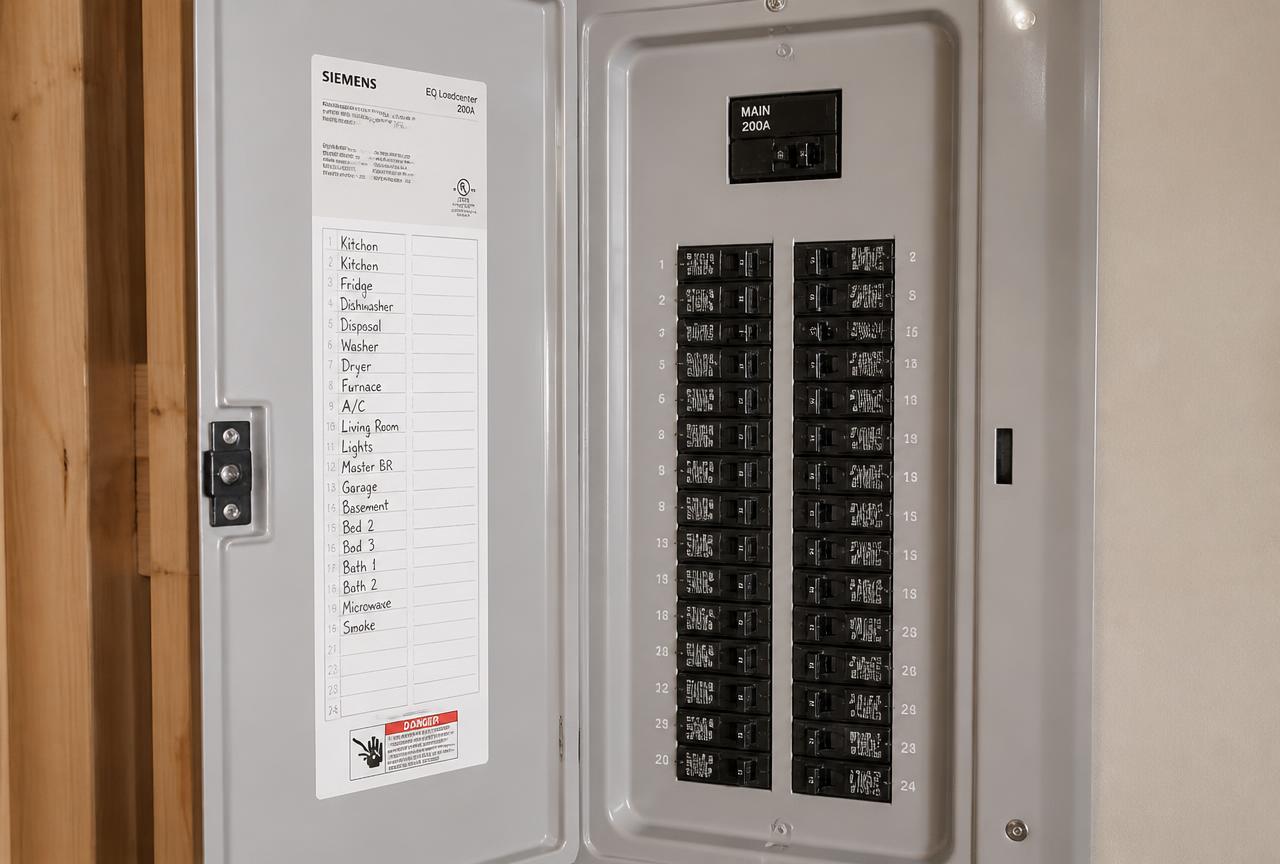
The important question is not simply whether a panel says 100 amps or 200 amps. The electrician needs to evaluate the home's actual electrical load, the condition and rating of the service equipment, and what you plan to add in the future. Lawrence Berkeley National Laboratory's 2026 guidance on 200-amp residential service similarly emphasizes load calculations and planning around high-power equipment rather than assuming that bigger service is always necessary.
What Is Actually Changed During a Service Upgrade?
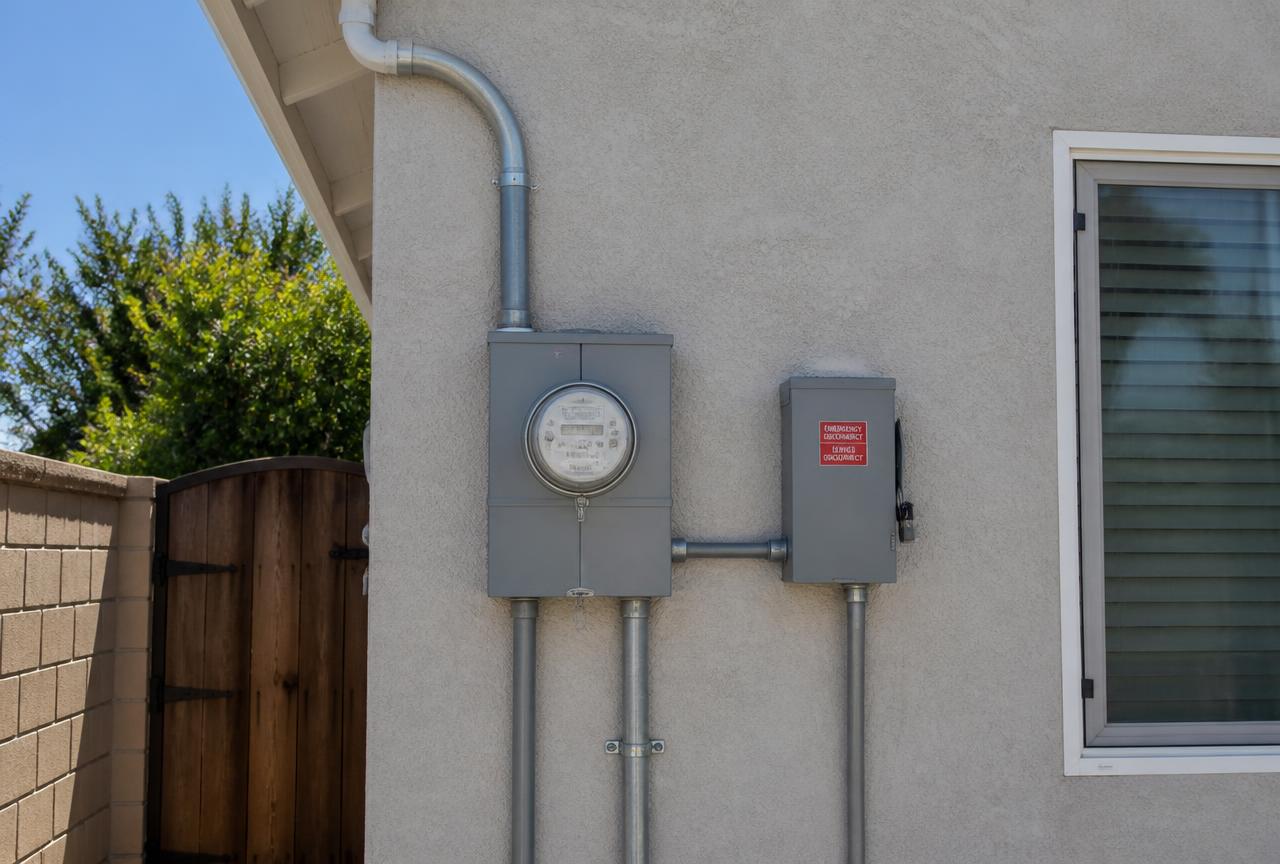
A genuine service upgrade can involve several connected components. Depending on the property, the work may include a new main panel, meter equipment, service entrance conductors, grounding and bonding improvements, breakers, conduit or raceway changes, and coordination with the utility. The exact scope depends on the existing installation and the local requirements.
| Component | Purpose | What to Check |
|---|---|---|
| Main panel | Distributes power to branch circuits | Rating, spaces, breaker compatibility, condition |
| Main disconnect | Provides a primary means of disconnecting service | Location, rating, accessibility |
| Service conductors | Carry utility power to the service equipment | Size, condition, installation method |
| Meter equipment | Interfaces with utility metering | Rating and utility requirements |
| Grounding/bonding | Helps provide a safe fault-current path | Connections, electrodes, conductor sizing |
| Branch breakers | Protect individual circuits | Correct type, rating, labeling, compatibility |
100 Amp vs. 200 Amp: A Practical Comparison
The table below is a planning comparison, not a rule that every home must meet. A licensed electrician should determine the appropriate service rating using the property's electrical load and applicable code requirements.
| Consideration | 100-Amp Service | 200-Amp Service |
|---|---|---|
| Available service capacity | Lower | Higher |
| Large electric loads | May require careful load management | Generally provides more capacity |
| Future electrification | Less headroom | More planning flexibility |
| Typical planning questions | Existing load and condition | Existing load plus future additions |
| Upgrade decision | Based on load calculation and equipment condition | Based on load calculation, service requirements and future needs |
Signs Your Existing Electrical Service May Need Attention
Frequent breaker trips can be a warning sign, but they do not automatically mean the entire service needs to be upgraded. Other clues include a panel with limited usable spaces, overheating or burning odors, damaged equipment, obsolete components, visible corrosion, mislabeled circuits, repeated electrical modifications, or a home that is about to receive several new high-demand appliances.
If you are planning a Level 2 EV charger, electric heat pump, induction cooking, a large workshop, solar equipment, or another substantial load, mention those plans before the electrician designs the upgrade. Planning future loads early can help avoid selecting equipment that becomes restrictive later.
Real-World Planning Data: What Changes the Scope?
| Project Factor | Simpler Scenario | More Involved Scenario |
|---|---|---|
| Panel location | Existing location works | Relocation or access changes needed |
| Meter/service equipment | Existing equipment is compatible | Meter base or service components need replacement |
| Branch circuits | Circuits are properly identified and compatible | Repairs or corrections are discovered |
| Future loads | No major additions planned | EV, heat pump, solar or other large loads planned |
| Utility coordination | Standard service work | Utility-side scheduling or service changes required |
The Importance of Permits, Inspection and Licensing
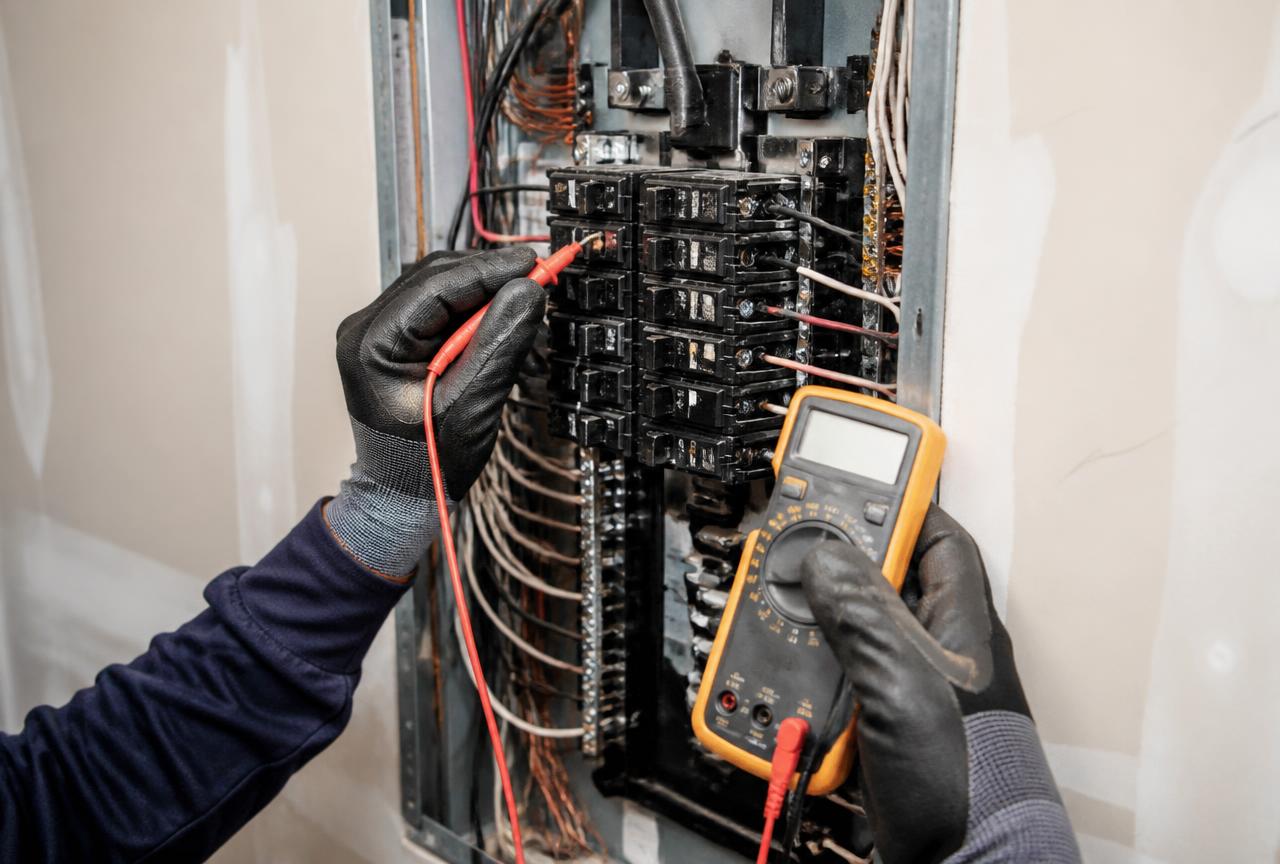
Electrical service work is not a good place to cut corners. Permitting and inspection requirements vary by jurisdiction, and utility procedures can affect the sequence of work. In California, homeowners can use the Contractors State License Board's online license-checking service to verify a contractor's license status before signing a contract.
For an official verification resource, use the California Contractors State License Board license search.
The goal of inspection is not simply paperwork. It provides an additional check that the installation meets applicable requirements and that the completed service is suitable for safe operation.
How the Upgrade Process Typically Works
- Assessment: The electrician examines the existing service, panel, conductors, grounding, and branch circuits.
- Load planning: Current and anticipated electrical loads are reviewed to determine appropriate service capacity.
- Scope and equipment selection: The contractor documents the panel, breakers, service components, grounding work, and any required corrections.
- Utility and permit coordination: Where applicable, the contractor coordinates the service disconnect/reconnect and required permit process.
- Installation: The existing equipment is replaced or modified according to the approved scope.
- Inspection and verification: The completed installation is checked, circuits are labeled, and utility reconnection is completed when required.
How to Choose the Right Fresno Electrician
A strong electrical upgrade begins with a clear scope rather than a vague promise to 'install a 200-amp panel.' Ask what equipment will be replaced, whether the service conductors and meter equipment are included, how grounding and bonding will be handled, what permit and inspection steps apply, and whether future electrical loads have been considered.
The CSLB recommends checking a contractor's license status and comparing written bids based on the same plans and scope. This makes it easier to distinguish a genuinely complete proposal from one that leaves important work undefined.
Why Local Experience Matters in the Central Valley
Fresno-area homes vary widely in age, construction, service configuration, and electrical demand. A panel upgrade should therefore be approached as a property-specific electrical project rather than a one-size-fits-all replacement. Local experience can help an electrician recognize common installation conditions, coordinate the appropriate parties, and plan the work around the home's actual needs.
Jack Surabian Electric— Fresno & Central Valley electrical services — provides residential and commercial electrical services, including main panel upgrades, with a focus on properly scoped electrical work.
About Jack Surabian Electric
For homeowners considering a service upgrade in Fresno and the Central Valley, Jack Surabian Electric provides electrical services including main panel upgrades. Homeowners should evaluate an electrical contractor based on licensing, qualifications, scope of work, permitting, and experience with service upgrades.
Final Thoughts
A 200-amp panel upgrade should be viewed as an electrical infrastructure project, not simply a bigger breaker box. The right service rating, properly matched equipment, sound grounding and bonding, compliant wiring, appropriate permitting, and thoughtful planning for future loads all matter. For Fresno and Central Valley homeowners, a professional assessment is the best way to determine what your home actually needs and to build a service upgrade around safety, reliability, and long-term electrical use.