
Key Takeaways
- A Level 2 charger cuts overnight charging from 40+ hours on a regular outlet down to roughly 4–8 hours.
- Panel location matters more than almost anything else a detached garage or a panel on the far side of the house changes the entire job.
- Charging between midnight and 3 p.m. on PG&E's EV2-A rate can cut your charging cost roughly in half compared to peak hours.
- The single most common mistake is buying the charger before an electrician has looked at the panel and circuit.
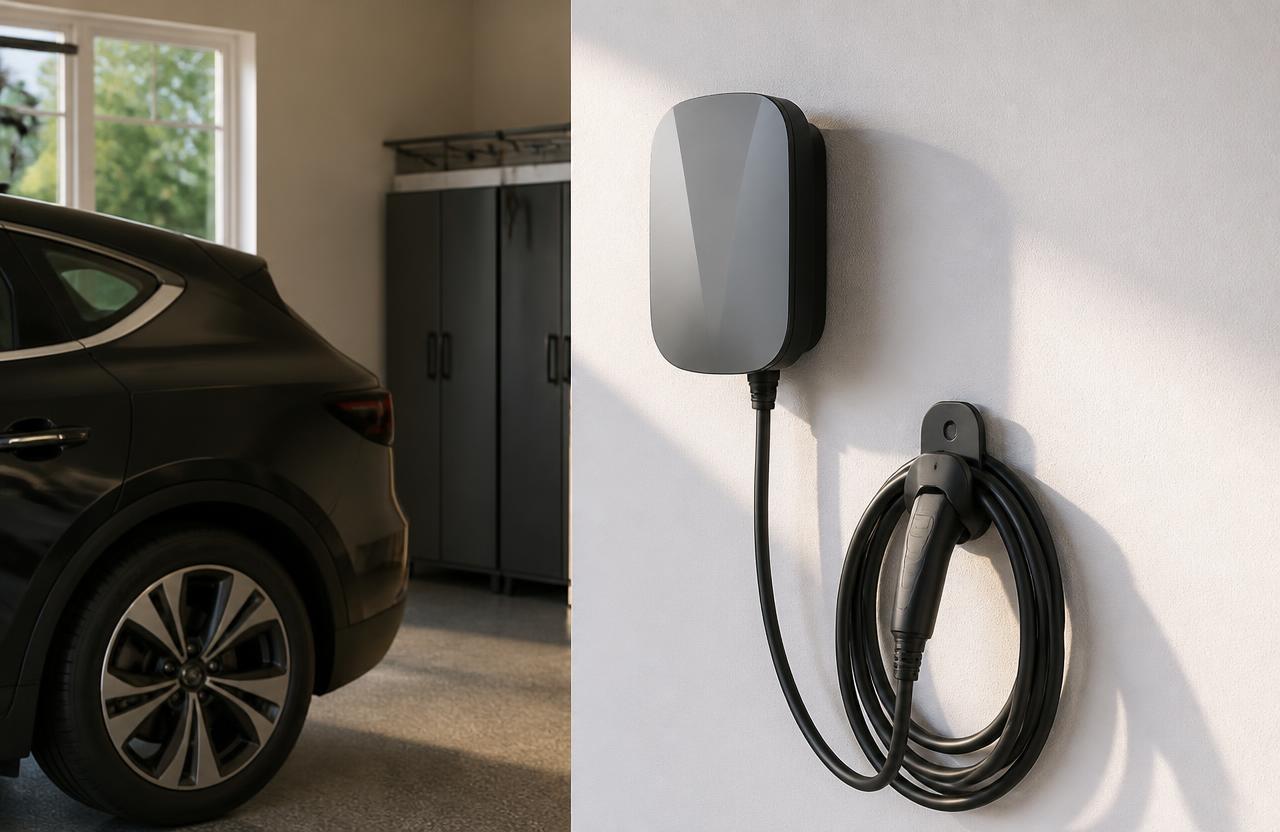
Why a Home Charger Changes the Math
Plug an EV into a regular wall outlet and you're looking at 24 hours or more for a full charge fine in an emergency, unlivable as a daily routine. A Level 2 charger fixes that almost entirely, delivering enough range overnight that most drivers never think about charging again. Demand for EV charger installation in central valley homes has climbed right alongside EV ownership itself, and for good reason: home charging isn't a nice-to-have anymore, it's the backbone of how most EV owners actually keep their car charged.
That's not an exaggeration. According to U.S. Department of Energy charging data, roughly 64% of all EV charging in the country happens at single-family homes on Level 2 equipment, making residential installs the largest single segment of the entire charging industry.
Hardwired vs. Plug-In: Which Setup Fits Your Home?
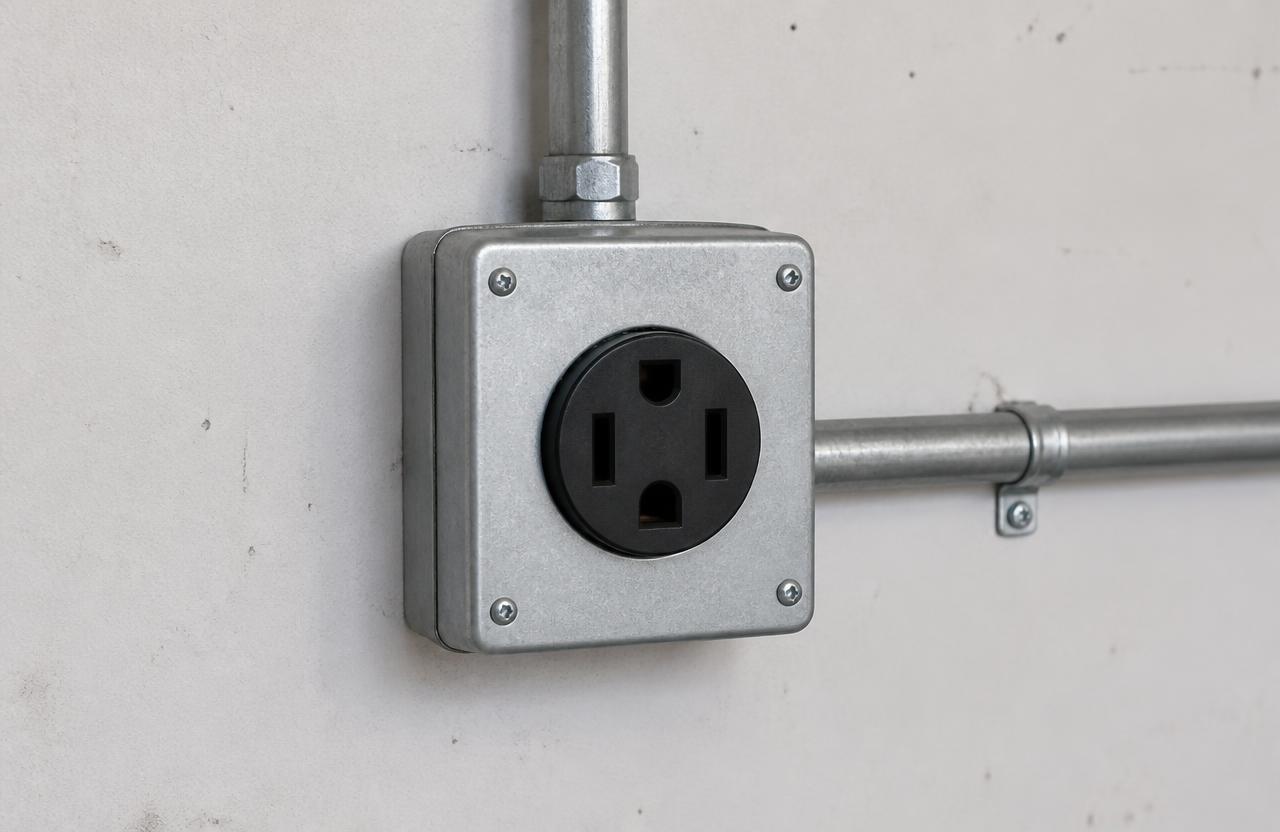
There are two ways a Level 2 charger connects to your home's power. A hardwired unit is permanently wired to its own circuit cleaner look, slightly better efficiency, and required for chargers pulling more than 40 amps continuous. A plug-in unit connects through a NEMA 14-50 outlet, the same style used for a welder, which makes it easy to swap or take with you if you move. Newer electrical code requires GFCI protection on these plug-in circuits, which narrows the price gap between the two options. For homeowners staying put, hardwired is usually the better long-term call. For renters or short-term owners, plug-in keeps things flexible.
Does Your Panel Need an Upgrade First?
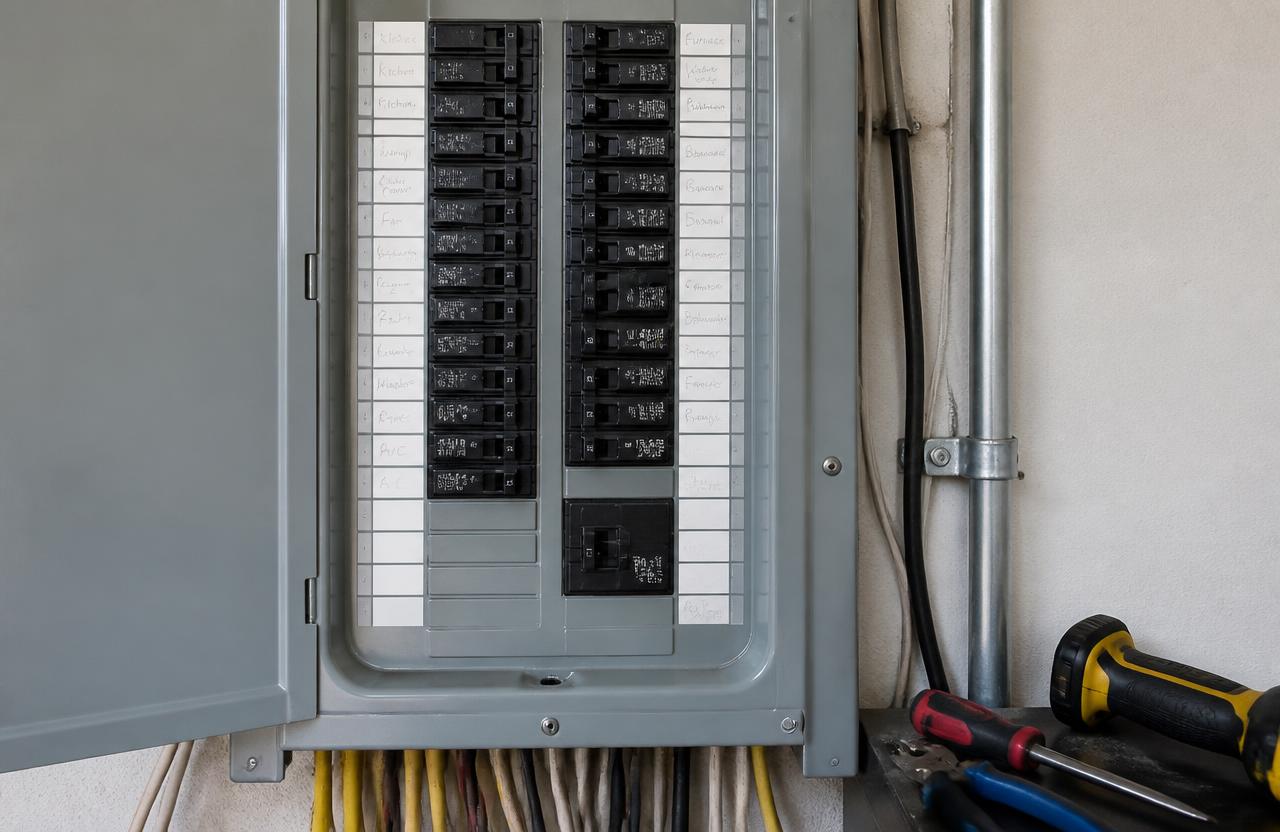
Sometimes, yes. A typical Level 2 charger draws 40 amps continuous, which needs a 50-amp breaker. If your existing 100- or 125-amp panel is already carrying a heat pump, electric water heater, and other major loads, adding a charger on top can push past what the panel can safely handle. In that case, you're looking at either a panel upgrade or a load-management device that shares capacity intelligently between big appliances. A proper load calculation before any hardware gets purchased avoids the single most expensive surprise in this entire process.
Charging Speed by Level: What the Numbers Actually Look Like
| Charger Type | Voltage | Range Added Per Hour | Typical Full Charge Time |
|---|---|---|---|
| Level 1 (standard outlet) | 120V | 3–6 miles | 24+ hours |
| Level 2 (home install) | 208–240V | 18–28 miles | 4–10 hours |
| DC Fast Charging (public) | 480V | Fills to 80% quickly | 20–90 minutes |
Level 2 sits in the sweet spot: fast enough for a full overnight charge, without the equipment and cost of DC fast hardware.
The PG&E Time-of-Use Advantage
PG&E's EV2-A rate plan prices off-peak electricity generally midnight to 3 p.m. well below peak-hour rates. Setting your charger's schedule to start after midnight instead of the moment you plug in after work can cut your effective charging cost roughly in half, and the rate switch itself is free through your PG&E account. It's a bigger, more reliable financial win for most homeowners than chasing a one-time rebate.
EV Charging in 2026: The Bigger Picture
A charger isn't just a convenience upgrade anymore, either. A California housing trend report found that home listings mentioning an EV charging station jumped over 91% between 2024 and 2025, meaning a charger now genuinely adds resale appeal, not just daily convenience.
| Metric | Data Point |
|---|---|
| Share of all U.S. EV charging done at home | ≈ 64% |
| EV owners using a permanently mounted Level 2 charger | 68% |
| Level 2 share of total U.S. public charging ports | 72.6% |
| Californians living within 10 minutes of a charging station | 94% |
| Home listings mentioning an EV charger (2024→2025 change) | +91.6% |
| Average U.S. daily driving distance | ≈ 33 miles |
That last figure matters more than it seems at an average of 33 miles a day, a Level 2 charger easily replaces a full day's range overnight, which is exactly why range anxiety fades quickly once a home charger is installed.
Mistakes That Turn Into Callbacks
- Installing a 30-amp circuit for a charger that can pull 40 you'll be capped on that charger permanently
- Using aluminum conductors for the branch circuit permitted, but not the better choice
- Skipping the permit entirely this resurfaces the moment you go to sell the house
- Buying the charger hardware before an electrician has evaluated the panel
Getting It Right the First Time
Most EV charger "problems" that come up after the fact trace back to one thing: the wrong circuit for the charger that got installed. A ten-minute conversation before buying hardware prevents almost all of it. Jack Surabian Electric walks through the panel calculation, permit filing, and hardware recommendation as part of a single free-quote visit, so the charger you end up with actually matches the circuit it's running on not the other way around.