How to recognize aging wiring, electrical warning signs, and when a targeted or whole-house rewire may make sense
Key Takeaways
- Older wiring does not automatically mean your entire Fresno home needs to be rewired. Start with an electrical inspection and circuit-by-circuit assessment.
- Warm outlets, burning smells, buzzing, crackling, scorch marks, repeated breaker trips, and unexplained electrical behavior should never be ignored.
- Two-prong receptacles, cloth-insulated wiring, knob-and-tube wiring, and older aluminum branch-circuit installations deserve professional evaluation.
- A targeted rewire may address a specific unsafe section, while a whole-house rewire may be appropriate when aging wiring is widespread.
- California classifies electrical contractors under the C-10 specialty license, and homeowners can verify licensing through CSLB.
Why Older Fresno Homes Deserve a Wiring Check
Electrical systems age in ways that are not always visible. A wall can look perfectly normal while wiring behind it has outdated insulation, ungrounded circuits, loose connections, or modifications made by previous homeowners. Fresno has a mix of older and newer housing, so the age of a home alone cannot determine whether rewiring is necessary. When outdated or unsafe wiring is identified, an electrical installation contractor in central valley can evaluate the system and recommend whether a repair, targeted rewire, or broader electrical upgrade is appropriate.
Modern households can also place very different demands on an electrical system. Central air conditioning, electric water heating, EV charging, induction cooking, home offices, workshops, and other equipment may require electrical capacity and circuit arrangements that were not part of the home's original design.
10 Signs Your House May Need Rewiring
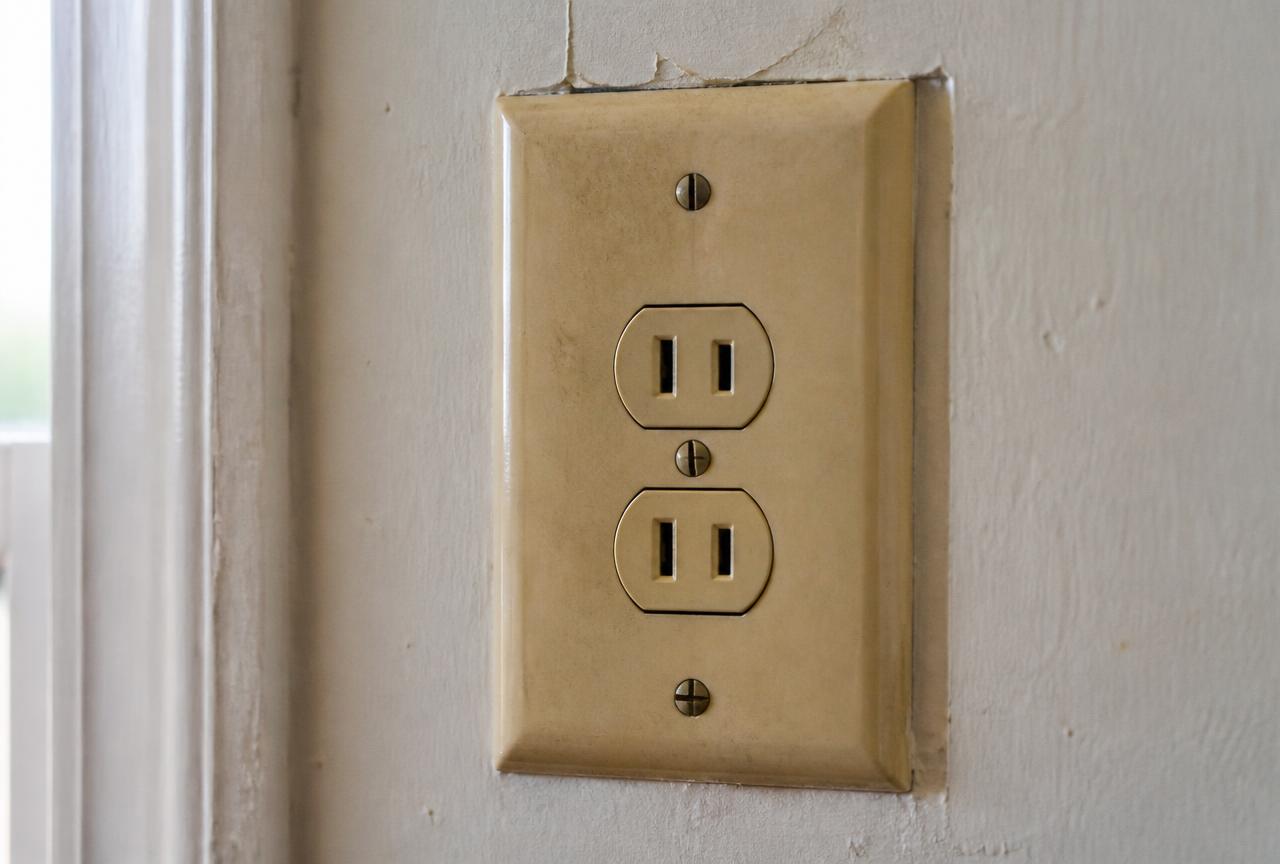
1. You Have Mostly Two-Prong Outlets
Two-prong receptacles commonly indicate older ungrounded branch circuits. Do not assume every two-prong outlet requires a complete rewire; an electrician should determine whether the circuit can be safely addressed through an approved upgrade or whether rewiring is appropriate.
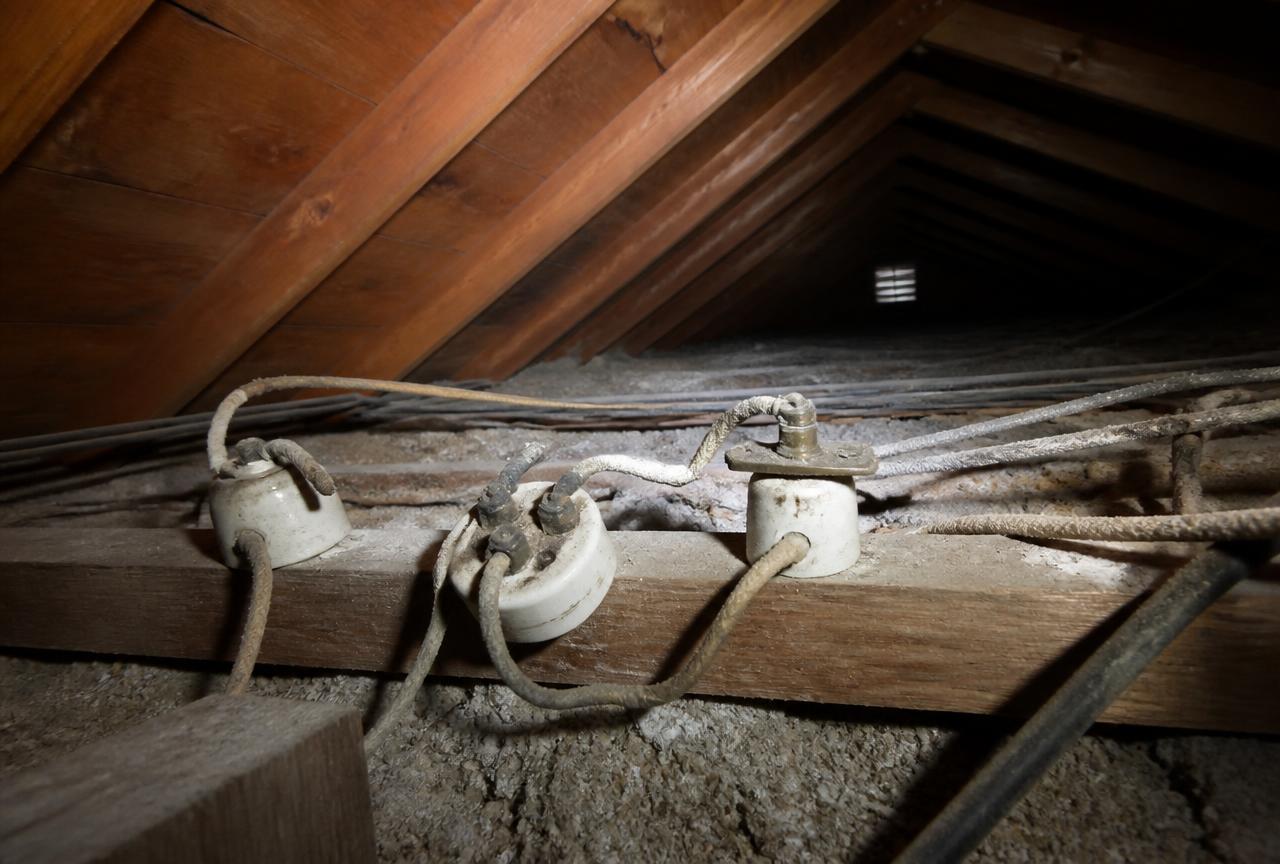
2. Cloth or Knob-and-Tube Wiring Is Visible
Older cloth insulation or knob-and-tube wiring can indicate an aging electrical system. Because visible wiring may represent only part of the installation, an attic or crawl-space inspection can help determine how widespread the condition is.
3. Aluminum Branch-Circuit Wiring Is Present
Some homes built during the late 1960s and 1970s contain aluminum branch wiring. This is different from aluminum service-entrance conductors. Aluminum branch connections deserve professional evaluation because connection points can develop reliability and overheating concerns.
4. One Circuit Trips Repeatedly
Frequent trips do not automatically mean the house needs a rewire. The cause could be an overloaded circuit, faulty appliance, damaged wiring, or another issue. Repeated trips are a reason to diagnose the circuit rather than repeatedly resetting the breaker.
5. Outlets or Switches Feel Warm
A warm receptacle, switch, cover plate, or breaker is a warning sign. Stop using the affected device and arrange an electrical inspection, especially if warmth is accompanied by discoloration, odor, buzzing, or intermittent operation.
6. You Hear Buzzing or Crackling
Electrical connections should not produce persistent buzzing, sizzling, or crackling sounds. These symptoms can indicate a loose connection, arcing, overloaded component, or failing equipment and should be investigated promptly.
7. Lights Dim When Major Equipment Starts
Brief changes in lighting can occur when large loads start, but noticeable or recurring dimming deserves evaluation. The cause may be a circuit issue, service problem, loose connection, or equipment-related condition—not necessarily a whole-house rewire.
8. You See Scorch Marks or Discoloration
Brown, black, melted, or scorched areas around an outlet, switch, junction box, or panel should be treated as a serious warning. Do not keep using the affected circuit while waiting for an inspection.
9. The Electrical Panel Contains Older Equipment
Certain legacy panels have histories of performance and safety concerns. A panel issue can exist independently of branch-circuit wiring, so an electrician should evaluate the panel and wiring separately before recommending the scope of work.
10. An Inspector or Insurer Has Raised a Wiring Concern
A home inspection, insurance review, or electrical assessment may identify specific deficiencies. Keep the report or letter and ask an electrician to match each finding to a documented repair or upgrade plan.
Full Rewire vs. Targeted Rewire
A common mistake is treating every wiring problem as a whole-house project. The appropriate scope depends on the location, condition, type, and extent of the wiring problem.
| Consideration | Targeted Rewire | Whole-House Rewire |
|---|---|---|
| Problem location | One or several defined circuits/areas | Wiring concerns are widespread |
| Objective | Correct a specific deficiency | Modernize electrical distribution throughout the home |
| Access | Often more limited | May require access in multiple areas |
| Planning | Focused circuit assessment | Broader system assessment |
| Future needs | Specific load or area | Opportunity for comprehensive planning |
Real-World Data: Why Electrical Warning Signs Matter
NFPA research covering 2020–2024 estimated an annual average of 21,743 U.S. home fires involving electrical distribution, lighting, and power-transfer equipment. That represented 47% of home electrical fires in the research table, along with an estimated 315 civilian deaths and 945 injuries annually. These figures are national rather than Fresno-specific, but they show why electrical warning signs deserve prompt attention.
Source: NFPA Home Electrical Fires research.
| Equipment Category | Annual Average Fires | Deaths / Injuries |
|---|---|---|
| Electrical distribution, lighting & power-transfer equipment | 21,743 | 315 / 945 |
| All home electrical fires | 46,652 | 527 / 1,580 |
What a Professional Rewiring Assessment Should Include
- Inspection of the panel, accessible wiring, receptacles, switches, junction boxes, attic/crawl-space areas, and other accessible electrical components.
- Identification of wiring types and signs of deterioration, overheating, improper connections, or previous modifications.
- Testing and troubleshooting of suspicious circuits rather than relying only on the home's age.
- Review of present and planned electrical loads.
- A written scope distinguishing urgent safety corrections from optional improvements.
- Permit and inspection planning when required by the local authority.
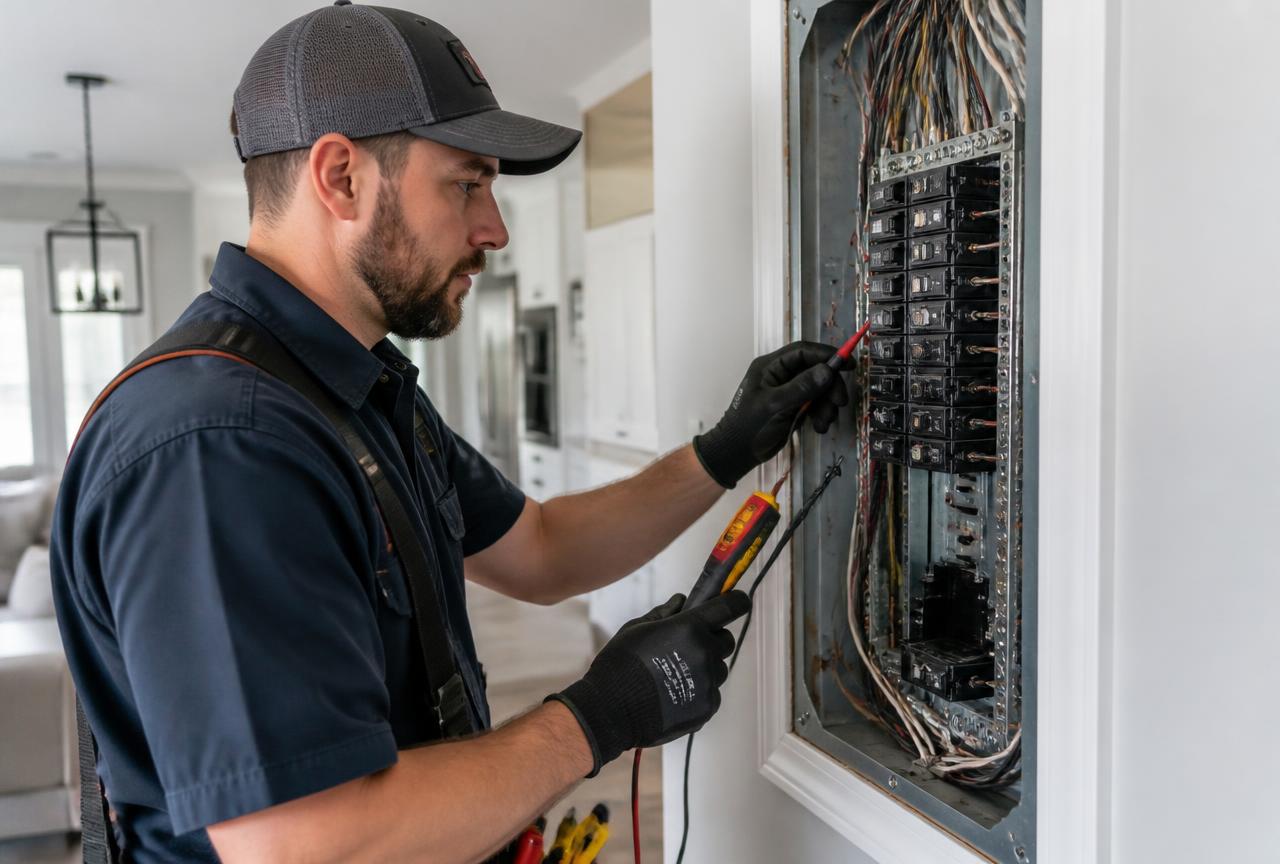
California's Contractors State License Board identifies C-10 as the Electrical Contractor classification. CSLB also provides an online license-checking service for homeowners.
How to Decide What to Do Next
Start with the symptom, not the assumption. If one outlet is hot, investigate that outlet and its circuit. If several rooms have two-prong receptacles and aging wiring, the assessment should be broader. If you are planning major electrical additions, ask the electrician to consider those loads as part of the evaluation.
Avoid relying on a quick visual estimate alone. Wiring can change inside walls, attics, crawl spaces, and junction boxes, and the visible portion may not represent the entire circuit. A documented assessment makes it easier to prioritize urgent repairs and plan larger improvements in stages when appropriate.
Choosing an Electrical Contractor in Fresno
Look for a contractor who explains the reason for the recommendation, identifies affected circuits, documents safety concerns, and clearly separates required corrections from optional upgrades. Ask about licensing, permits, inspection requirements, insurance, and the testing or diagnostic work included in the assessment.
The California Contractors State License Board provides official licensing information and a contractor-license lookup tool.
Why Local Electrical Experience Matters
Fresno homes can differ significantly in age, construction, previous renovations, panel configurations, and electrical modifications. A local electrical professional can evaluate the actual installation rather than assuming every older home has the same wiring problem. The goal should be a right-sized solution: repair what can be safely repaired, rewire what genuinely needs rewiring, and plan for future electrical demands where appropriate.
For homeowners considering an electrical service upgrade in Fresno and throughout the Central Valley, Jack Surabian Electric offers a range of electrical services, including main panel upgrades. When choosing an electrical contractor, homeowners should consider factors such as proper licensing, qualifications, project scope, permitting requirements, and experience with electrical service upgrades.
Final Thoughts
Rewiring is not something homeowners should decide based on age alone or on a single symptom. The safest approach is to understand what type of wiring is present, identify the actual defects, and match the repair to the condition of the electrical system. For Fresno homeowners, a professional assessment can turn uncertainty into a clear plan—whether that means correcting one circuit, replacing aging sections, or completing a broader rewire.