Key Takeaways
- A professional electrical assessment should come before installing a Level 2 home charger.
- Panel capacity, circuit requirements, charger location, and existing electrical loads all affect the project.
- Level 2 charging uses 240-volt service and can provide faster home charging than Level 1.
- A qualified electrical contractor can help determine whether your home needs a new circuit, panel work, or another electrical solution.
Buying an EV is only part of the transition to electric driving. The next question is often, “Can my home support a charger?” EV charger installation in Central Valley involves more than mounting a charging unit on a garage wall. Your electrical panel, available capacity, circuit requirements, parking location, wiring route, and local permitting requirements all matter. This guide explains what homeowners should consider before scheduling an installation and who to call for the work.
Who Installs EV Chargers in Central Valley?
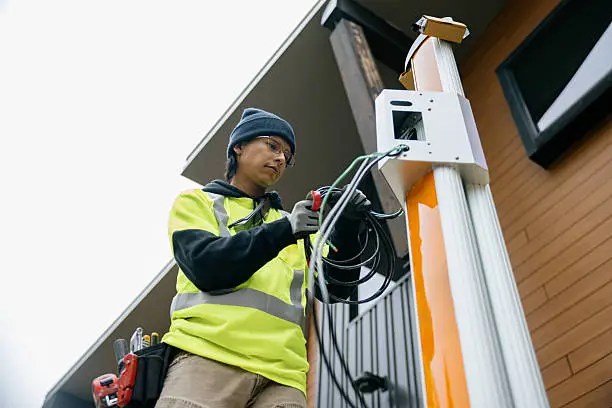
A licensed electrical contractor or qualified electrician should handle a residential EV charger installation, particularly when the project requires a new 240-volt circuit or modifications to the electrical panel.
So, who installs EV chargers in the Central Valley? Homeowners should look for an experienced EV charger installer in Central Valley who can evaluate the existing electrical system, determine whether it can support the charger, install the required circuit, and address applicable permitting requirements.
The U.S. Department of Energy's Alternative Fuels Data Center notes that Level 2 home charging uses 240-volt service and that homeowners should consult an electrical contractor about capacity, costs, installation planning, and local requirements.
Does Your Home Need Level 2 EV Charger Installation?
Level 1 charging can use a standard 120-volt household outlet, while Level 2 charging uses 240 volts and can provide substantially faster charging. The right choice depends on your vehicle, daily driving, available parking, and how quickly you need to replenish the battery.
| Feature | Level 1 | Level 2 |
|---|---|---|
| Typical voltage | 120V | 240V |
| Installation | Existing suitable outlet | Dedicated electrical circuit commonly required |
| Charging speed | Slower | Faster |
| Best suited for | Lower daily mileage | Regular or higher daily mileage |
| Electrical assessment | Sometimes | Recommended |
For many homeowners, level 2 EV charger installation in Central Valley is attractive because overnight charging can fit naturally into a daily routine. However, faster charging does not mean every home needs the largest available charger. The charger should be matched to the vehicle's charging capability and the home's electrical capacity.
What Does an EV Charger Installation Involve?
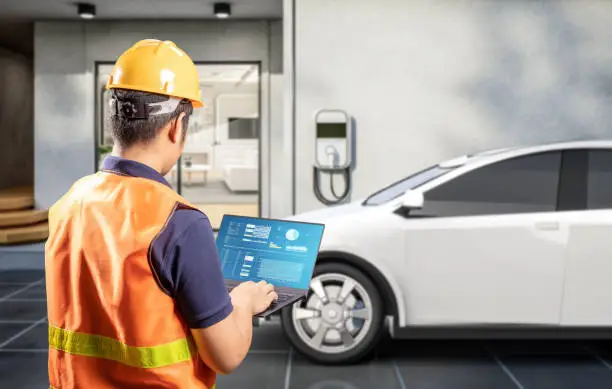
A professional installation should begin with an assessment rather than immediately drilling holes or running cable.
1. Evaluate the electrical panel
The electrician checks the service rating, panel condition, breaker space, existing electrical loads, and available capacity. Homes with older panels or heavily loaded circuits may require additional electrical work before a charger can be added.
2. Determine the circuit requirements
The charger manufacturer's specifications and the vehicle's charging capabilities help determine the appropriate circuit. A dedicated circuit is commonly part of a Level 2 installation.
3. Plan the charger location
The best location is not necessarily the closest wall to the panel. Consider where the vehicle normally parks, cable reach, garage access, physical protection, and whether the charger will be installed indoors or outdoors.
4. Install and test the equipment
The electrician installs the appropriate wiring, overcurrent protection, conduit or other required wiring methods, and charger. The completed system should then be checked to ensure the equipment operates correctly.
For additional perspective on why electrical modifications are better handled professionally, homeowners can also read 10 Electrical Projects That Require a Professional Electrician.
What If Your Electrical Panel Cannot Support the Charger?
Not every home needs a panel upgrade, but an assessment can identify when one may be necessary. An older service, limited breaker space, or significant existing electrical demand can affect the installation.
Possible solutions may include:
- Installing a properly sized dedicated circuit
- Reconfiguring the panel where appropriate
- Adding a subpanel when suitable
- Upgrading the electrical service when required
- Selecting charging equipment that better matches the home's available capacity
The important point is to determine the solution before purchasing equipment. Installing a charger first and discovering an electrical limitation afterward can create unnecessary expense and delays.
Where Should an EV Charger Be Installed?
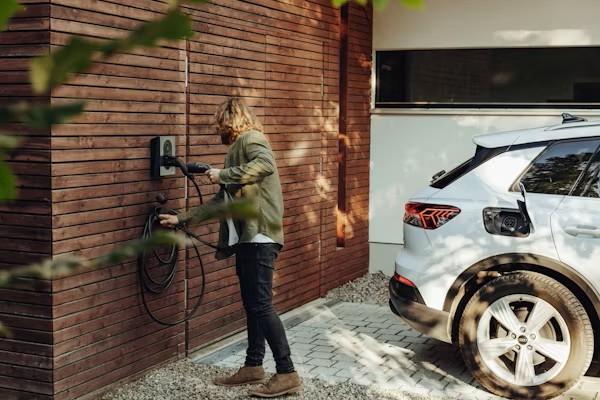
A garage is often convenient, but it is not the only option. Depending on the property and equipment, a charger may be installed near a driveway, carport, or exterior parking area.
Outdoor installations require equipment and installation methods suitable for outdoor exposure. The Department of Energy's Alternative Fuels Data Center confirms that outdoor home charging can be safe when appropriately rated equipment is used.
Think about everyday use before choosing the mounting location. The cable should comfortably reach the vehicle without creating a trip hazard or requiring awkward routing.
Planning Electric Vehicle Charger Installation in Central Valley
When planning electric vehicle charger installation in Central Valley, homeowners should gather the vehicle's charging specifications and identify where they normally park. It is also useful to know the home's approximate age and whether the electrical panel has been upgraded.
A professional can then assess the property and explain whether the existing electrical system is suitable or whether additional work is needed.
Make Your Home Ready for Convenient EV Charging
A home charger should be planned around the entire electrical system rather than treated as a standalone appliance. Choosing the appropriate equipment, confirming electrical capacity, planning the circuit and installation route, and addressing local requirements can make the project more straightforward.
If you are considering EV charger installation in Central Valley, Jack Surabian Electric can help evaluate your home's electrical setup and determine an appropriate installation approach.
Ready to make home charging more convenient? Contact Jack Surabian Electric to discuss your EV charger installation needs and request an estimate.